
Introduction
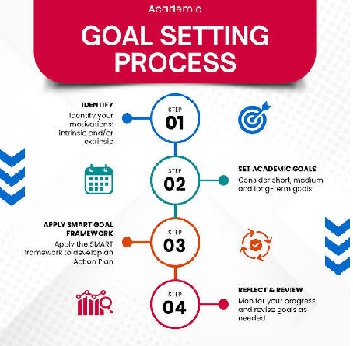
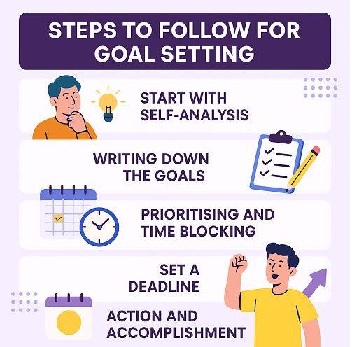
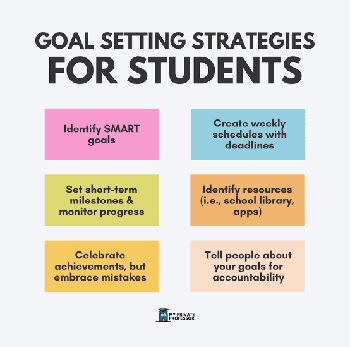
Goal setting for students, is the foundational roadmap that transforms abstract student ambitions into measurable academic achievements. Without defined targets, students often navigate their coursework aimlessly, wasting valuable study hours on unstructured tasks that do not impact their final performance. By introducing intentional objectives early in the academic term, you bridge the gap between where you currently stand and where you want to excel.
This comprehensive guide breaks down the science of educational milestone planning into an actionable, step-by-step framework. Navigating school demands high focus, time allocation, and consistent habit management. Below, you will uncover why target planning functions as a catalyst for excellence, practical tips to build your strategy, and explicit examples designed to keep you accountable through graduation.
Table of Contents
Images of Goal Setting for Students
Why Goal Setting is Crucial for Students
- Enhances Clarity: Defines specific destinations so your daily studies match key learning outcomes.
- Boosts Motivation: Smaller milestones trigger a sense of urgency and reward, sustaining drive.
- Reduces Stress: Breaking large semesters into manageable units prevents late-night cramming panic.
- Improves Accountability: Ownership of specific goals makes you focus on personal effort and behavioral adjustments.
- Fosters Growth Mindset: Shifts your evaluation standard from rigid letter grades to continuous visual progress.
Actionable Goal Setting for Setting Students Tips
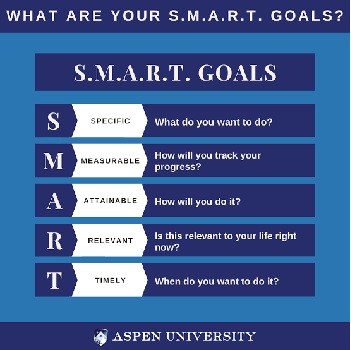
- Apply SMART Framework: Ensure every target is Specific, Measurable, Achievable, Relevant, and Time-bound.
- Focus on Behavior: Focus on actionable inputs rather than outcomes (e.g., “write one essay a week” instead of “get an A”).
- Build a Goal Ladder: Break down massive final exam targets into tiny weekly checklist rungs.
- Anticipate Obstacles: Pre-plan strategies for roadblocks like digital distractions or complex textbook chapters.
- Track Growth Visually: Pin up physical charts, check-lists, or digital dashboards to visualize your incremental progress.
Direct Output of Effective Goal Setting for Students
When you execute structured goal mapping, your immediate output changes from vague intentions into a living document or roadmap. Below is a direct comparison highlighting how goal setting alters student output:
| Feature | Without Goal Setting | With Structured Goal Setting |
|---|---|---|
| Study Focus | Stares vaguely at entire textbook | Finishes Chapter 3 Organic Chemistry problems |
| Time Frame | “I’ll study more this month” | “Completed by Friday at 5:00 PM” |
| Metric of Success | Feeling overwhelmed by grades | Tracks progress from 70% to 90% accuracy |
| Daily Action | Reacts to sudden project deadlines | Follows a strict 30-minute block schedule |
Frequently Asked Questions (6c FAQs)
- What are the core components of a SMART academic goal?
The core components are Specificity, Measurability, Achievability, Relevance, and strict Time limitations. - How often should a student review their set goals?
You should check your milestones weekly to score progress, adapt to hurdles, and reset schedules. - What should I do if I fail to reach a target deadline?
Treat it as data, avoid self-blame, evaluate your workflow obstacles, and pivot to a revised priority roadmap. - Can extracurricular goals balance alongside heavy academic tracking?
Yes, formatting personal, athletic, and study goals together clarifies your overall time allocation. - Why do broad goals like “do better in math” consistently fail?
They lack actionable steps, offer no tangible progress metric, and fail to create urgency. - How can parents and educators support student milestone paths?
They can host brief progress check-ins, offer positive reinforcement, and co-design visual trackers.
Conclusion
Goal setting is not a one-time administrative chore; it is an active, iterative cycle that builds lifelong personal responsibility. Reaching big educational milestones is entirely possible when you map out the process rung by rung. Empower your daily routine today by turning your general academic wishes into clear, time-limited commitments.
External Resources: Goal Setting for Students
- Build your foundation using the official UniAthena Academic Guide to simplify target tracking.
- Explore advanced target-setting systems within the Oxford Scholastica Resource Hub for university preparation.
- Download custom tracking organizers from the Edutopia Strategy Center to map your monthly data.
Internal Resources: Goal Setting for Students
- How to Prepare for your first Job Interview
- Leadership Skills Every University Student Should Develop
- Top 10 Life-Changing Skills
- How to Stop Procrastination and Boost Productivity
- International Universities Admissions
- International Fully funded Scholarships Opportunities
- International Internships Opportunities
- Download Center