
Introduction
Leadership Skills Every University Student Should Develop
Developing strong leadership skills during university is the key to transforming academic potential into real-world professional success. University life offers a unique, low-risk environment where students can test boundaries, manage projects, and guide peers. Stepping into leadership roles on campus—whether through group assignments, student clubs, or sports teams—allows individuals to build confidence and uncover their personal strengths before entering a highly competitive global workforce.
Beyond the classroom, higher education serves as a bridge to the professional corporate world, where technical knowledge alone is no longer enough to stand out. Employers heavily favor graduates who demonstrate emotional intelligence, strategic thinking, and the ability to unite diverse groups toward a shared objective. By intentionally cultivating leadership habits now, students ensure they graduate not just with a degree, but with the vital soft skills necessary to inspire others and navigate complex modern work environments.
Table of Contents
Why Leadership Skills Every University Student Should Develop
- Enhances Career Readiness: Employers actively seek candidates who show initiative, solve problems, and lead teams effectively from day one.
- Improves Academic Collaboration: Strong student leaders resolve group presentation conflicts and help teams meet strict project deadlines.
- Builds Resilience: Leading through campus challenges teaches students to handle unexpected failures and adapt quickly to shifting project goals.
- Expands Professional Networks: Leadership roles connect students with academic faculty, alumni, and industry professionals who offer career mentorship.
- Fosters Personal Growth: Taking responsibility for collective decisions boosts self-confidence, self-awareness, and personal accountability.
Brief Description of Leadership Skills
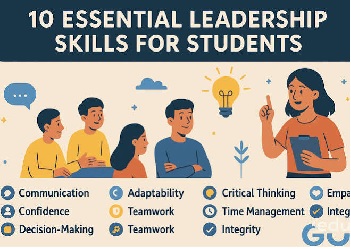
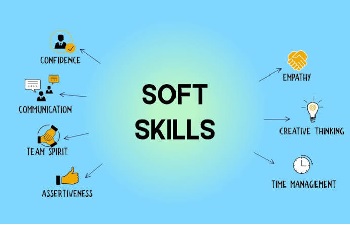
- Active Communication: The ability to clearly articulate ideas and listen attentively to others. It ensures team members understand their roles and feel heard.
- Conflict Resolution: The skill of identifying disagreements and mediating them fairly. It maintains team harmony and keeps project goals moving forward smoothly.
- Time Management: Prioritizing tasks efficiently to meet tight academic and professional deadlines. It helps leaders balance personal responsibilities with group goals.
- Delegation: Assigning specific tasks to the right team members based on their strengths. It prevents leader burnout and empowers others to grow.
- Problem Solving: Analyzing complex challenges objectively to find creative, practical solutions. It keeps projects on track when unexpected obstacles arise on campus.
- Emotional Intelligence: Recognizing and managing your own emotions while empathizing with your teammates’ feelings. It builds deep trust and psychological safety.
Outcomes of Leadership Skills Every University Student Should Develop
- Higher Employability: Graduates with proven leadership experience secure jobs faster and advance into management roles more rapidly.
- Stronger Project Performance: Teams led by skilled student leaders deliver higher-quality coursework and achieve better academic grades.
- Lasting Professional Confidence: Students learn to trust their own decision-making capabilities, reducing workplace anxiety after graduation.
External Links: Leadership Skills Every University Student Should Develop
- Discover academic leadership frameworks via the Harvard University Professional Development programs.
- Learn about student competency development through the National Association of Colleges and Employers (NACE).
Frequently Asked Questions (FAQs)
Do I need to be an extrovert to be a good student leader?
No. Introverts make excellent leaders by using strong listening skills, thoughtful analysis, and deep one-on-one connections to guide teams.
How can I practice leadership if I am not president of a club?
You can practice leadership daily by organizing group study sessions, spearheading class projects, or mentoring younger students.
Will leadership skills help me get a higher GPA?
Yes. Skills like time management, delegation, and problem-solving directly improve your ability to handle heavy academic workloads efficiently.
What is the most important leadership skill for a freshman?
Active communication is vital because it helps you express ideas clearly and build a supportive network early in college.
How do I handle a lazy group member without creating conflict?
Address the issue privately, listen to their challenges, and use conflict resolution skills to reallocate tasks fairly.
Can I list informal campus leadership roles on my corporate resume?
Absolutely. Employers value real-world skill application, so listing project coordinator or club committee roles shows actionable leadership experience.
Conclusion
Investing time into developing leadership skills while at university is an essential strategy for long-term personal and professional growth. The communication, problem-solving, and emotional intelligence built during these formative years establish a foundation that technical training alone cannot provide. Ultimately, university students who proactively learn to lead do not just prepare themselves for their future careers—they actively position themselves to shape the industries they enter.
Remember:
Your degree may open the first door, but your Leadership skills will open every door that follows.
At EduInfoPedia, our mission is to guide students toward scholarships, international admissions, internships, career opportunities, and lifelong learning resources that empower them to achieve their dreams.