
Introduction
Effective Study Techniques, mastering the art of learning is one of the most valuable skills you can acquire in modern education and professional life. For decades, students have relied on passive learning methods like re-reading textbooks, highlighting paragraphs, and cramming the night before an exam. While these habits can create a false sense of competence, cognitive science reveals they are highly inefficient for long-term retention. True mastery requires shifting from passive consumption to active engagement, forcing the brain to work harder during the initial learning phase to build stronger neural connections.
In recent years, neuroscientists and educational psychologists have extensively studied how the human brain processes, stores, and retrieves data. Their findings point to a clear conclusion: effective studying is not about the number of hours you spend staring at a page, but how you use those hours. By aligning your habits with the natural architecture of human memory, you can drastically reduce study time while accelerating your comprehension. This guide explores the most powerful, evidence-based strategies to transform your study routines from tedious chore into highly efficient practices.
Table of Contents
Why Effective Study Techniques are Essential?
- Saves Time: Maximizes learning efficiency to free up your schedule.
- Prevents Cramming: Eliminates high-stress, late-night study sessions before exams.
- Builds Retention: Moves information from short-term to permanent long-term memory.
- Deepens Understanding: Focuses on core concepts rather than superficial memorisation.
- Reduces Anxiety: Boosts academic confidence through proven, predictable preparation.
Summary of the Effective Study Techniques
Active Recall
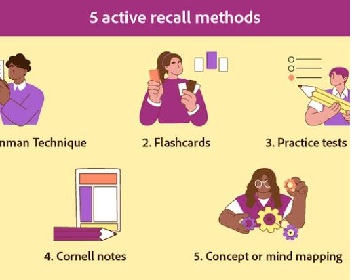
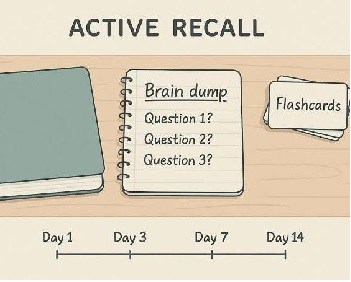
Testing your memory by forcing your brain to retrieve information without looking at your notes or textbook.
Spaced Repetition
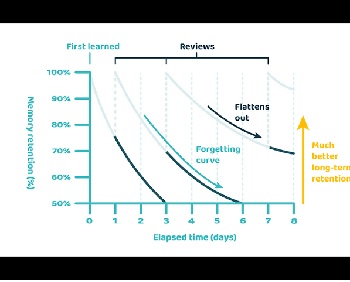
Reviewing information at increasing intervals over time to interrupt the natural forgetting curve and cement memory.
Interleaving
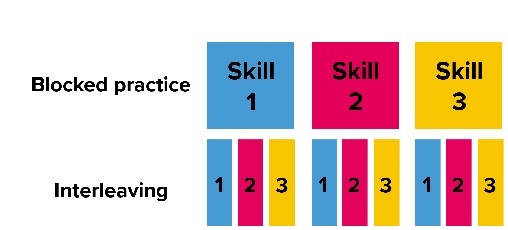
Mixing different topics or types of problems within a single study session instead of focusing on one subject.
The Feynman Technique
Explaining a complex concept in simple, everyday language as if you were teaching it to a beginner.
Dual Coding
Combining verbal information with visual aids like diagrams, timelines, or mind maps to create two mental pathways.
Outcome of the Effective Study Techniques
Using these science-backed strategies changes how your brain physically structures information. Active recall and spaced repetition strengthen neural pathways, making future retrieval faster and more automatic. Interleaving trains your brain to identify patterns and choose the correct problem-solving strategy in unpredictable exam environments. Ultimately, you will notice higher test scores, better critical thinking skills, and a dramatic drop in mental exhaustion.
External Related Links| Effective Study Techniques
- APA PsycNet: Cognitive Science in Education
- Harvard University: The Science of Learning
- Retrieval Practice: Science-Based Research
Frequently Asked Questions (FAQs)
How long should a single study session last?
Aim for 25 to 50 minutes followed by a short 5-to-10-minute break to maintain high focus.
Why does highlighting text feel effective but fail?
Highlighting creates visual familiarity, which fools your brain into confusing recognition with actual mastery.
Can I use spaced repetition for essay-based subjects?
Yes, use flashcards for core arguments, historical dates, literary themes, or critical quotes.
What should I do during study breaks?
Step away from screens, stretch, hydrate, or take a quick walk to let your brain rest.
How does sleep affect my study results?
Sleep consolidates memories, shifting what you learned during the day into stable, long-term storage.
Is multitasking while studying harmful?
Yes, switching tasks divides your attention, increases mistakes, and doubles the time needed to learn.
Conclusion
Transitioning to science-backed study techniques requires effort because active learning feels more difficult than passive reading. However, this mental strain is the exact mechanism that creates durable, long-term memory. By incorporating active recall, spacing out your reviews, and testing your knowledge through teaching, you take control of your academic success. Stop studying longer and start studying smarter by using tools designed for the way your brain naturally learns.
Useful Internal Links: Effective Study Techniques
- How to Stop Procrastination and Boost Productivity
- Time Management Tips Every Student Should Master
- 12 Practical Strategies: How to Build Self-Confidence as a Student
- Top 10 Life-Changing Skills Every Student Must Learn Before Graduating
- International Universities Admissions
- International Fully funded Scholarships Opportunities
- International Internships Opportunities
- Download Center