
Introduction
Emotional intelligence (EQ) is the foundational ability to identify, understand, and manage your own emotions while effectively recognizing and influencing the feelings of others. While traditional schooling heavily emphasizes intelligence quotient (IQ) through standardized testing and memorization, raw academic knowledge alone does not prepare a person for real-world challenges. True success requires a delicate balance of cognitive power and emotional resilience, which shapes how a student navigates daily life.
Developing emotional competence empowers students to transform how they interact with their environments, peers, and educators. When students learn to navigate internal pressures, they build a psychological safety net that shields them from burnout. Ultimately, mastering these foundational soft skills bridges the gap between raw potential and sustained achievement.
Table of Contents
Why Emotional Intelligence Matters for Students
Images
Details of the Images
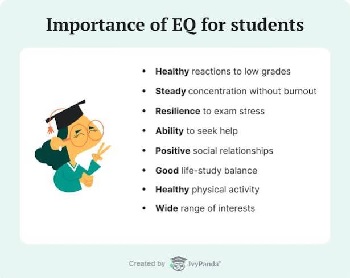
Emotional Intelligence for Students: Benefits, Tips, & Resources
IvyPanda
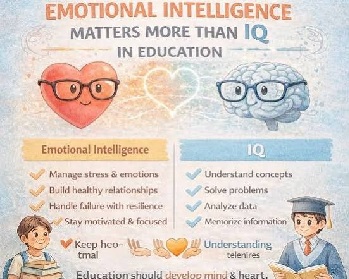
Why Emotional Intelligence Matters More Than IQ in Education For …
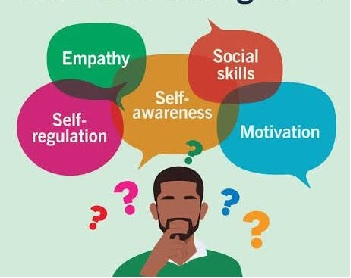
What Is Emotional Intelligence (EQ)?
Cleveland Clinic Health Essentials
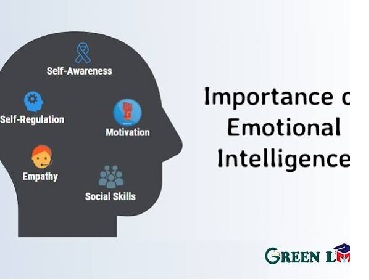
Why is Emotional Intelligence Important for Schools?
Green LMS
- Stress Mitigation: Students face immense pressure from examinations, tight deadlines, and extracurricular demands. High EQ allows individuals to process academic anxiety constructively rather than shutting down.
- Academic Enhancement: Emotional clarity directly correlates with improved cognitive focus and problem-solving capacities. Managing frustrations keeps the mind sharp for complex learning tasks.
- Stronger Relationships: School environments thrive on group collaboration and peer-to-peer communication. Empathetic students resolve conflicts peacefully and build highly supportive social networks.
- Long-Term Career Readiness: Modern workplaces prioritize collaboration, adaptability, and leadership potential over rigid technical skill. Cultivating EQ early sets a baseline for future professional promotion.
Best Tips for Emotional Intelligence
- Practice Active Pausing: Stop for three deep breaths before reacting to frustrating grades or critical feedback.
- Label Specific Emotions: Move past general terms like “bad” to isolate feelings like “overwhelmed” or “rejected.”
- Keep Reflection Journals: Track emotional triggers daily to identify habits that derail focus or cause stress.
- Practice Empathetic Listening: Focus completely on understanding a peer’s perspective before formulating your own verbal response.
- Set Healthy Boundaries: Balance intensive study schedules with structured downtime to protect your emotional well-being.
External Resources Links
- Evaluate your baseline skills through the Cleveland Clinic EQ Guide.
- Review comprehensive study tracking metrics via the IvyPanda Student EQ Hub.
- Discover structured classroom resources through The Green LMS Overview.
- Read deep-dive psychological studies on the PositivePsychology Benefits Framework.
Frequently Asked Questions (6c FAQs)
Can emotional intelligence be learned, or is it an innate trait?
EQ can absolutely be developed over time through intentional practice, self-awareness exercises, and behavioral adjustment. Unlike IQ, which remains relatively stable, emotional skills are highly adaptable throughout life.
How does high EQ directly improve a student’s grade point average?
Students with high EQ manage test anxiety efficiently, maintaining the cognitive focus required to solve complex problems. They also handle academic setbacks constructively, bouncing back faster from poor marks.
What are the core components of emotional intelligence in education?
The primary domains include self-awareness, self-regulation, internal motivation, empathy, and refined social skills. Together, these pillars form the foundation for healthy communication and personal accountability.
How can a student tell if they have low emotional intelligence?
Frequent emotional outbursts, difficulty accepting constructive feedback, and constant peer conflicts are common indicators. Struggling to empathize with classmate difficulties also suggests a need for EQ development.
What role do teachers play in developing student emotional intelligence?
Teachers foster EQ by modeling calm behavior, validating student feelings, and establishing emotionally safe classrooms. Integrating collaborative group projects also allows students to practice peer conflict resolution.
Is emotional intelligence more valuable than high IQ for career success?
Research indicates that while IQ secures technical roles, EQ determines long-term leadership potential and career growth. The modern job market heavily favors candidates who communicate seamlessly and handle workplace stress.
Final Thoughts
Prioritizing emotional intelligence equips students with the psychological toolkit necessary to survive and thrive in competitive modern environments. Balancing emotional management with academic dedication unlocks true personal potential. Commit to small, daily mindfulness habits, and watch your educational journey transform
Internal Resources: Emotional Intelligence
Goal Setting for Students
Download Center
How to Prepare for your first Job Interview
Leadership Skills Every University Student Should Develop
Top 10 Life-Changing Skills
How to Stop Procrastination and Boost Productivity
International Universities Admissions
International Fully funded Scholarships Opportunities
International Internships Opportunities