
Introduction
How to Develop Critical Thinking Skills
Critical thinking is the foundational ability to analyze information objectively, question underlying assumptions, and make reasoned judgments based on credible evidence. In an era dominated by information overload and rapid technological shifts, students cannot rely solely on memorizing facts or repeating lectures. True learning requires digging deeper into the material, evaluating contradictory viewpoints, and learning to separate verified data from emotional opinions. By shifting from a passive consumer of information to an active investigator, you take full control of your academic journey.
Developing these cognitive habits requires consistent, daily practice rather than a sudden burst of effort. When you master the art of disciplined thinking, you naturally become a more independent learner who can confidently tackle complex, unfamiliar problems. This comprehensive guide provides actionable strategies, predictable student outcomes, and expert resources to help you transform your academic approach and sharpen your intellect.
Table of Contents
Images How to Develop Critical Thinking Skills
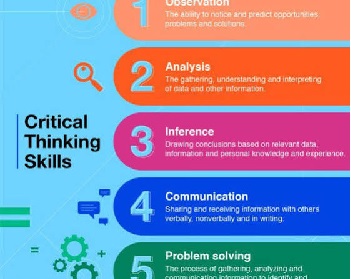
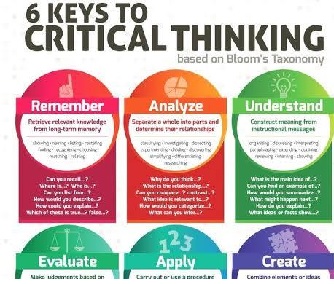
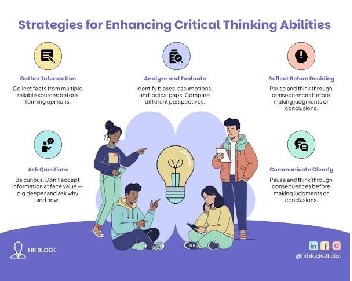
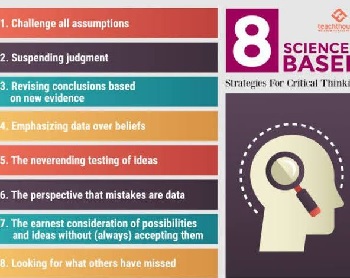
Why Critical Thinking Skills are Essential
- Better Decision-Making: Helps you evaluate evidence thoroughly before making choices.
- Improved Problem-Solving: Empowers you to break down complex issues into manageable parts.
- Academic Excellence: Shifts your learning approach from temporary memorization to deep, permanent understanding.
- Media Literacy: Safeguards your mind against fake news, digital misinformation, and biased sources.
- Career Readiness: Equips you with high-value analytical skills that modern employers explicitly look for.
- Enhanced Communication: Enables you to structure logical arguments and express complex ideas simply.
10 Practical Strategies How to Develop Critical Thinking Skills
1. Ask Open-Ended Questions
Avoid basic “yes” or “no” queries. Force your mind to explore deeper explanations by regularly asking “How does this work?” and “Why is this significant?”
2. Challenge Your Assumptions
Never accept statements at face value just because they appear in print or come from a popular source. Constantly evaluate the underlying beliefs behind everyday claims.
3. Gather Reliable Evidence
Build your arguments on verifiable data, peer-reviewed academic journals, and expert consensus. Learn to filter out casual blogs or unverified social media opinions.
4. Seek Out Diverse Perspectives
Actively read authors or engage with peers who hold opposite views from your own. This expands your understanding and highlights weak spots in your personal logic.
5. Practice Active Listening
Focus completely on understanding a speaker’s argument before preparing your reply. Suspend immediate judgment to fully absorb the logical structure of their points.
6. Break Down Complex Problems
Avoid getting overwhelmed by large, messy projects. Use structured problem-solving to isolate smaller parts and resolve them systematically step-by-step.
7. Keep a Reflective Learning Journal
Dedicate ten minutes every evening to writing down your daily decisions. Documenting what worked, what failed, and why keeps your cognitive growth deliberate.
8. Participate in Structured Debates
Join formal classroom debates or local student discussion clubs. Defending a position using data trains your brain to remain calm and logical under stress.
9. Identify Cognitive Biases
Study common psychological traps like confirmation bias or peer pressure. Recognizing these mental shortcuts helps you avoid making hasty, emotional choices.
10. Solve Logic Puzzles Daily
Spend time working on riddles, strategy games, or analytical chess puzzles. This keeps your brain flexible and strengthens your natural pattern-recognition skills.
Expected Student Outcomes
[Passive Student] ──► (Practices 10 Strategies) ──► [Critical Thinker]
       │                                                   │
       ├── Relies on memorization                          ├── Evaluates evidence
       └── Accepts information blindly                     └── Challenges bias
- Higher GPA: Noticeable improvement in analytical essay writing and high-level exam performance.
- Confidence Boost: Increased willingness to participate in tough class discussions and present arguments.
- Autonomy: Decreased dependence on teachers or peers to interpret difficult readings for you.
Frequently Asked Questions (FAQs)
Q1: Can critical thinking be learned, or is it an innate talent?
A: It is absolutely a trained skill. While some people are naturally curious, anyone can develop strong critical thinking by practicing disciplined questioning and analysis.
Q2: How does critical thinking differ from regular thinking?
A: Regular thinking is passive, automatic, and often driven by emotion. Critical thinking is active, deliberate, and controlled by logic and evidence.
Q3: Does critical thinking make you argumentative or negative?
A: No. It is not about criticizing people or being stubborn. It means objectively evaluating the truth of an argument to find the best possible solution.
Q4: How can I practice critical thinking if I have very little free time?
A: You can practice it during your normal routine. Simply pause when reading a news headline or social post and ask yourself: “What evidence supports this claim?”
Q5: Why do modern employers care so much about this skill?
A: Automation can handle repetitive tasks, but computers struggle with complex problem-solving. Employers want human thinkers who can handle unexpected workplace challenges.
Q6: What is the biggest barrier to thinking critically?
A: Confirmation bias, which is our natural tendency to only accept information that already matches our current beliefs while ignoring solid, contradictory facts.
Conclusion: How to Develop Critical Thinking Skills
Mastering critical thinking is a life-changing academic investment that extends far past the classroom walls. By systematically questioning assumptions, hunting for solid evidence, and listening to diverse viewpoints, you transform yourself into a highly resilient and independent scholar. Start small by picking two strategies from this guide to practice this week. Over time, these deliberate mental exercises will turn into effortless cognitive habits, giving you a massive advantage in your education and future career.
External Resources and Links: How to Develop Critical Thinking Skills
- Deepen your academic analysis skills with the Immerse Education Student Guide.
- Learn about core cognitive habits on the Potomac University Skills Guide.
- Explore professional development insights via the Bay Atlantic University Blog.
Internal Links: How to Develop Critical Thinking Skills
- Leadership Skills Every University Student Should Develop
- How to Prepare for Your First Job Interview
- Top 10 Life-Changing Skills
- How to Stop Procrastination and Boost Productivity
- International Universities Admissions
- International Fully funded Scholarships Opportunities
- International Internships Opportunities
- Download Center