
Introduction


12 Practical Strategies, Building self-confidence is a dynamic journey that directly determines a student’s academic performance, social integration, and future career path. True confidence is not an inherent trait; it is a learned habit built by taking specific actions before you feel completely ready.
Table of Contents
Why “12 Practical Strategies” Are Essential
Relying on a single confidence tip leaves you vulnerable when you encounter a variety of educational and social hurdles. Utilizing 12 Practical strategies provides a comprehensive framework that supports your physical health, mental resilience, and social interactions. This layered approach ensures that if a setback impacts one area of your life, you have alternate tools to maintain your self-worth.
12 Practical Strategies to Build Self-Confidence
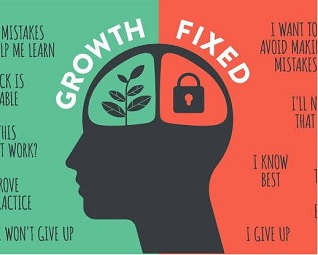
1. Shift Toward a Growth Mindset
Embrace the core belief that your academic abilities and intelligence can be actively developed through persistent effort and practice. Shifting your perspective away from a fixed mindset stops you from viewing mistakes as personal identity flaws. Instead, you can look at errors as critical learning data points that guide your progress.
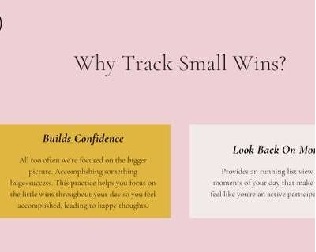
2. Accumulate Small Wins Daily
Break large, overwhelming academic projects into small, highly manageable tasks like reading one chapter or studying for fifteen minutes. Completing these small steps provides regular, concrete evidence of your competence. This steady progress creates positive psychological momentum that gradually dismantles self-doubt.
3. Practice Realistic Self-Affirmation
Avoid generic, unbelievable mantras and choose specific statements tied directly to your values and past preparation. Remind yourself of objective truths, such as “I have prepared for this exam,” or “I have handled difficult coursework before”. This realistic approach protects your mental stability when you are under academic pressure.
4. Transform Internal Self-Talk
Actively monitor your internal dialogue to catch negative patterns like “I am terrible at this subject”. Consciously replace those thoughts with encouraging, action-oriented phrases such as “I am still learning this, and I will improve with practice”. Over time, this conscious shift builds permanent inner resilience.
5. Standardize Asking for Help
Recognize that reaching out to professors, tutors, or peers for clarity is a sign of proactive strength, not personal weakness. Demystifying help-seeking behaviors reinforces the understanding that education is an inherently collaborative process. Confident students understand that asking questions accelerates their mastery of the material.
6. Keep a Dedicated Compliment Journal
Maintain a written record of your positive character traits, small successes, and constructive feedback from instructors. Reviewing this journal when you feel discouraged shifts your focus away from self-doubt and toward objective self-appreciation. It serves as a physical reminder of your value and capabilities.
7. Prioritize Physical Self-Care
Establish a healthy lifestyle by targeting seven to nine hours of nightly sleep, moving your body daily, and eating balanced meals. Regular physical activity directly improves your posture, regulates stress hormones, and boosts your day-to-day mood. A healthy body forms the necessary biological foundation for a confident mind.
8. Set SMART Academic Goals
Design your goals to be Specific, Measurable, Achievable, Relevant, and Time-bound. Knowing exactly what you want to achieve keeps you accountable and gives you a clear sense of direction. Reaching these structured milestones provides clear validation of your expanding academic skills.
9. Join Structured Groups or Clubs
Actively participate in at least one campus club, sports team, or student organization that aligns with your personal interests. Group membership offers regular, low-stakes practice in team communication and collaborative problem-solving. It helps you develop a strong sense of community belonging.
10. Take on Visible Responsibilities
Volunteer for explicit leadership roles, such as organizing a group study session, coordinating a class project, or managing a student event. Managing accountability in a visible setting helps you build confidence through demonstrated competence. Even if problems arise, you learn that you can survive and adapt to unexpected challenges.
11. Minimize Unhelpful Social Comparisons
Consciously limit the time you spend comparing your life to the highly curated, perfect images shared by peers on social media. Focus your energy exclusively on your own learning journey and individual timeline. Measuring success against your own past performance instead of others prevents unnecessary anxiety.
12. Use Graduated Exposure for Public Speaking
Build your communication skills by speaking up once per lecture, participating in small group tasks, and preparing before you present. Rehearse your presentations out loud rather than silently to desensitize your nervous system to anxiety. Gradual, repeated exposure turns public speaking into a familiar habit.
Outcomes of the 12 Practical Strategies
- Enhanced Academic Performance: Higher confidence drives active participation, deeper classroom engagement, and superior grades.
- Greater Emotional Resilience: Students recover quickly from failures, viewing setbacks as temporary challenges rather than permanent barriers.
- Reduced Stress and Anxiety: Practical coping mechanisms and realistic self-talk lower test and performance anxiety.
- Stronger Social Connections: Confident communication makes it easier to form collaborative peer networks and healthy professional relationships.
Frequently Asked Questions (FAQs)
Q1: How does self-confidence affect a student’s grades?
A1: According to research by behavioral and data scientists at the University of Michigan Center for Academic Innovation, confidence is a primary driver of academic success. It encourages students to participate, take academic risks, and persist through difficult material.
Q2: Can you build self-confidence if you are naturally shy?
A2: Yes. Confidence is built through actions rather than personality types. Using graduated exposure—like joining structured clubs or speaking up in small groups—allows introverted or shy students to build confidence comfortably.
Q3: What should I do if a bad grade ruins my confidence?
A3: Reframe the grade using a growth mindset. Treat the poor mark as feedback showing you exactly what needs adjustment, rather than a final evaluation of your intelligence.
Q4: How does physical exercise help my self-esteem?
A4: Exercise improves physical health, sleep quality, and stress regulation. The physical improvements from regular activity directly feed back into your brain to create a stronger sense of personal value.
Q5: Are affirmations actually helpful for students?
A5: Yes, provided they are realistic. Clinical insights from organizations like Mind-Care show that affirmations work best when they focus on your preparation and values rather than generic phrases.
Q6: How can I stop comparing myself to classmates?
A6: Track your personal progress using progress trackers or journals. When you redirect your focus to your own improvement over time, the urge to compare yourself to others naturally drops.
Conclusion: 12 Practical Strategies
Building confidence is an ongoing process of acting first and feeling confident second. By consistently applying these twelve practical strategies, you build a dependable foundation of self-belief that extends far beyond the classroom. Trust your efforts, accept your mistakes as learning tools, and allow your confidence to compound over time.
Remember:
Your degree may open the first door, but your skills and Strategies will open every door that follows.
At EduInfoPedia, our mission is to guide students toward scholarships, international admissions, internships, career opportunities, and lifelong learning resources that empower them to achieve their dreams.
Visual Strategy References: 12 Practical Strategies
- Growth Mindset Guide at The ABC International School – Visualizing effort over fixed results.
- Second Step Social-Emotional Learning – Structuring opportunities for collaborative support.
- Arizona State University Online Tips – Balancing sleep, nutrition, and fitness.
- Scenario-Based Learning Models by Bodyswaps – Real-world simulations for communication skills.