Introduction
Time Management Tips
Mastering time management is one of the most critical factors underpinning a student’s academic and personal trajectory. In an environment filled with competing demands—ranging from rigorous coursework and examinations to extracurricular activities and social commitments—time is a finite resource that requires deliberate allocation. Students who fail to develop a structured approach often find themselves trapped in a reactive cycle, where deadlines dictate their actions, leading to chronic stress, subpar academic output, and eventual burnout. Conversely, treating time as a manageable asset allows individuals to transform their daily routines from a chaotic scramble into a deliberate path toward efficiency.
Developing these skills involves adopting specialized psychological frameworks, leverageable digital tools, and self-regulatory behaviors. It shifts the focus from “being busy” to “being productive,” ensuring that every hour spent studying directly yields measurable progress. As educational landscapes become increasingly complex and digital distractions multiply, a systematic time management strategy serves as an essential foundation. It provides students with the autonomy needed to excel academically while preserving the mental bandwidth required to enjoy a balanced, fulfilling lifestyle.
Table of Contents
Why Time Management Tips are Essential for Students
- Elevated Academic Performance: Spacing out study sessions optimizes information retention, deepens conceptual understanding, and eliminates the need for lower-efficiency, last-minute cramming. Time Management Tips elevate academic Performance.
- Reduction of Stress and Anxiety: Planning ahead significantly lowers academic anxiety and cortisol spikes by transforming overwhelming milestones into manageable tasks.
- Enhanced Focus and Cognitive Capacity: Focusing entirely on one task at a time avoids the heavy cognitive penalties and error rates associated with multitasking. time management tips enhance focus and cognitive capacity.
- Sustained Life Balance: Proper scheduling protects time for physical exercise, hobbies, family, and rest, which are critical elements for avoiding long-term academic burnout. Due to using the better time management tips your life will sustain balance.
- Cultivation of Self-Discipline: Meeting self-imposed deadlines consistently builds professional reliability, personal confidence, and vital career readiness.
Time Management Tips Every Student Should Master
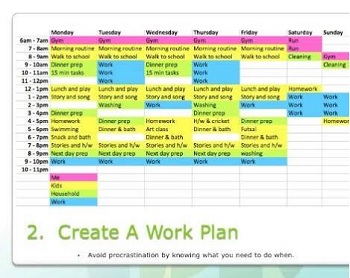
1. Build a Centralized Master Calendar
- Summary: Map out all semester deadlines, exam dates, and personal commitments in one visual layout using tools like Google Calendar to anticipate busy periods and eliminate scheduling surprises.
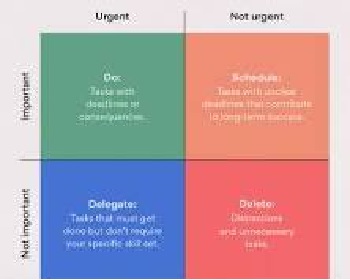
2. Practice Task Prioritization (The Eisenhower Matrix)
- Summary: Categorize daily tasks into four quadrants based on urgency and importance, ensuring that high-value academic goals are executed before energy is drained by trivial matters.
3. Deconstruct Large Objectives into Subtasks
- Summary: Break down intimidating projects, such as a major research paper, into micro-actions like outlining, drafting, or proofreading to lower the psychological barrier to starting.
4. Implement Time Blocking
- Summary: Divide your daily schedule into rigid, dedicated segments reserved for specific activities, which treats study periods as non-negotiable appointments.
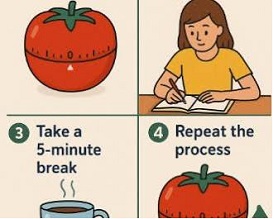
5. Utilize the Pomodoro Technique
- Summary: Work with absolute focus for 25 minutes followed by a structured 5-minute break to maintain peak cognitive agility and systematically prevent mental fatigue.
6. Enforce a Digital Blackout
- Summary: Store smartphones in another room or deploy application blockers during study hours to remove the immediate temptation of social media alerts.
7. Establish Daily “Win Conditions”
- Summary: Define exactly one to three high-priority milestones that must be finished by the end of the day to create a clear metric for daily academic success.
8. Learn the Power of Saying “No”
- Summary: Protect your limited cognitive energy by politely declining secondary social invitations or extra commitments when your academic schedule is already full.
9. Optimize Tasks Around Personal Peak Energy
- Summary: Identify whether you are most alert in the morning or evening, and schedule your most complex, analytically demanding subjects during those peak hours.
10. Conduct a Weekly Performance Review
- Summary: Spend time every Sunday assessing what elements of your schedule succeeded or failed, adjusting your time blocks dynamically to prepare for the upcoming week.
Frequently Asked Questions (FAQs)
What should I do if my schedule is completely disrupted by unexpected events?
Build flexible buffer blocks directly into your daily schedule. Leaving a one-hour open slot every day allows you to absorb unexpected delays or emergencies without derailing your entire weekly plan.
How can I stop procrastinating when a task feels too boring or difficult?
Apply the “five-minute rule”. Commit to working on the task with full focus for just five minutes; once the initial inertia is broken, the brain’s friction decreases, making it much easier to continue.
Is multitasking a viable way to save time if I have a massive workload?
No, multitasking reduces cognitive efficiency. Research indicates that switching between academic work and social media or other tasks can reduce comprehension and retention by up to 40%.
How do I accurately estimate how long an assignment will take me?
Track your actual study time using a stopwatch or a digital time tracker for a week. Compare your estimated times against your actual recorded durations to gradually eliminate planning fallacies.
What is the most effective way to utilize short gaps of time between classes?
Use short 15-to-30-minute intervals for low-cognition, administrative tasks. This includes replying to institutional emails, organizing study folders, reviewing flashcards, or updating your to-do list.
How can I maintain my time management habits over an entire academic year?
Focus on consistency over duration and rely on accountability systems. Partner with a focused study group or use progress checklists to keep yourself honest when initial motivation naturally fades.
Conclusion
Mastering time management is not about restricted freedom or rigid over-scheduling; it is the ultimate tool for achieving personal and academic autonomy. By moving away from unstructured habits and adopting clear prioritization frameworks, students can significantly lower background anxiety while elevating the quality of their work. The techniques outlined above provide a reliable foundation that transforms effort into tangible academic success. Ultimately, managing your hours effectively ensures you can meet deadlines with confidence while saving ample time for the activities and relationships you value most.
Authentic External Links: Time Management Tips
- For scientific data on time management behaviors and outcomes, review the peer-reviewed study available on ResearchGate’s Impact of Time Management on Academic Performance.
- To learn more about organizing academic goals, explore the guidance provided by the Harvard Summer School Time Management Blog.
- For statistical insights into prioritization frameworks, see the industry data gathered in the Clockify Time Management Trends Survey.
- To explore the correlation between structured habits and student well-being, read the clinical study hosted on the National Institutes of Health (NIH) PMC Archive.