
Introduction
How to Find an Appropriate Internship
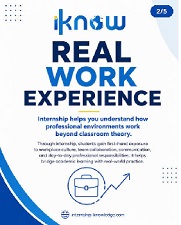
Securing a high-quality internship is one of the most critical steps a student can take to bridge the gap between academic theory and real-world professional practice. The modern job market increasingly demands practical experience, making undergraduate internships a core baseline requirement rather than an optional resume filler. However, the process requires a proactive strategy that begins long before your first day on the job, starting with targeted applications and thorough interview preparation.
Once you cross the threshold into a professional corporate environment, the focus shifts from landing the role to maximizing its long-term potential. Making the most of an internship means transforming standard daily tasks into measurable achievements while actively building a professional network. By blending technical execution with strong interpersonal skills, students can stand out to supervisors, secure powerful letters of recommendation, and position themselves for full-time return offers upon graduation.
Table of Contents
Why and how to find an appropriate Internship?
Securing and excelling in an internship is essential because it fundamentally shifts your positioning from a student to a professional candidate. Employers view academic degrees as baseline credentials, but they view internship experience as proof of execution.
- Validates Career Tracks: Internships let you test-drive an industry, role, or company culture before committing to a full-time contract.
- Develops Soft Skills: Working in an office teaches essential workplace dynamics like corporate communication, corporate politics, and team collaboration.
- Builds Social Capital: Connecting with industry professionals exposes you to organic mentorship, insider industry insights, and unadvertised job openings.
- Provides Resume Leverage: Tangible workplace projects differentiate your application from hundreds of generic entries in applicant tracking systems (ATS).
Outcomes to find an appropriate Internship
Approaching your internship with a clear strategy yields measurable professional outcomes that pay dividends throughout your career.
- Full-Time Return Offers: Consistent high performance frequently results in a direct transition into entry-level employment before graduation.
- Professional Portfolios: Leaving an internship gives you concrete case studies, data points, or software code to showcase to future employers.
- Strong References: Cultivating solid professional relationships secures authoritative references who can validate your work ethic and character.
- Elevated Confidence: Overcoming real workplace challenges builds the professional assurance needed to navigate complex interview processes later.
Step-by-Step Strategic Framework: How to find an appropriate internship
1. The Search Phase
To find the right opportunities, you must look beyond basic job boards and use a multifaceted approach:
- University Career Centers: Tap into institutional job boards like Handshake to find employers specifically looking to hire students from your school.
- Targeted Networking: Reach out to alumni working in your target field via professional networks to ask for informational interviews.
- Niche Platforms: Use specialized directories to source verified openings tailored to your specific field of study.
2. The Application & Interview Phase
- Tailor Your Resume: Align your bullet points with the specific keywords found in the internship post.
- Prepare Behavioral Stories: Use the STAR method (Situation, Task, Action, Result) to answer common interview questions.
3. The Execution Phase (On the Job)
- Over-Deliver on Tasks: Complete basic data entry or administration tasks flawlessly before asking for higher-level work.
- Schedule One-on-Ones: Request brief bi-weekly syncs with your supervisor to ask for feedback and align your goals.
External Resources: How to Find an Appropriate Internship
To assist in your search and professional development, explore these external platforms:
- LinkedIn Job Search: The primary tool for building an online portfolio, tracking company updates, and networking with recruiters.
- Handshake: A dedicated platform that connects university students directly with employers offering vetted internship programs.
- Indeed: A comprehensive job search engine helpful for tracking local and remote internship openings.
- Glassdoor: Excellent for researching company interview processes, salary benchmarks, and intern reviews.
Frequently Asked Questions (FAQs)
Q: When is the best time for a student to start looking for an internship?
A: Recruiting timelines vary by industry, but the ideal time to start searching is 6 to 8 months before the internship begins. Financial services and tech companies often recruit in the fall for summer roles, while nonprofits and startups hire in the spring.
Q: Should I accept an unpaid internship if no paid options are available?
A: Prioritize paid roles, as they protect your labor and generally offer structured experiences. If you consider an unpaid role, ensure it fully complies with local labor laws, fits your budget, and provides significant educational value.
Q: How do I handle an internship that lacks structure or guidance?
A: Take initiative by drafting a clear list of goals or projects you want to tackle and present them to your manager. Schedule regular weekly syncs to keep communication open and keep yourself accountable.
Q: What is the most effective way to network with coworkers during an internship?
A: Ask colleagues from different departments out for brief 15-minute informational coffee chats. Ask about their career journeys, current responsibilities, and industry observations rather than asking directly for a job.
Q: How can I track my achievements during a busy internship?
A: Maintain a private document to record your weekly tasks, the software tools you used, and any data metrics you improved. This makes it easy to update your resume and talk about your achievements during performance reviews.
Q: What should I do during the final week of my internship?
A: Complete your transition notes, organize your digital files for the team, write personalized thank-you notes to your coworkers, and connect with your colleagues on professional networks to stay in touch.
Final Thoughts: How to find an appropriate Internship
An internship is more than just a line item on your resume; it is a live laboratory where you define your professional identity. The effort you put into tracking down the right position and delivering high-quality work sets the tone for your career trajectory. Approach each task with curiosity, build genuine relationships, and treat every challenge as an opportunity to prove your value to the team.
Images: How to find an appropriate internship



Internal Links: How to find an appropriate internship
- MITACS Globalink Research Internship 2026-27
- How to Find Internships as a Student
- CERN Internship 2026
- Asian Development Bank Internship 2027
- IMF Internship 2027
- Tesla Internship 2026
- Amazon Internship 2026
- OECD Internship 2026
- Microsoft Internship 2026
- Google Internship 2026
- World Bank Internship 2026
- How to Develop Critical Thinking Skills
- Leadership Skills Every University Student Should Develop
- How to Prepare for Your First Job Interview
- Top 10 Life-Changing Skills
- How to Stop Procrastination and Boost Productivity
- International Universities Admissions