
Introduction:
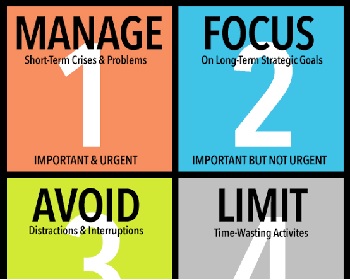
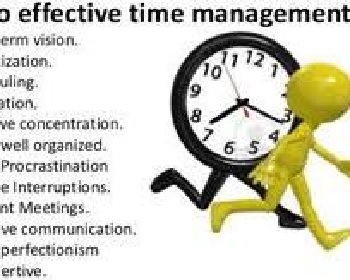
Stop Procrastination and Boost Productivity, Procrastination is more than just a time-management flaw; it is a complex emotional regulation problem where short-term mood repair takes precedence over long-term achievements. When you delay critical tasks, your brain opts for immediate comfort, trading future peace of mind for temporary relief. This cycle creates a heavy mental burden, triggering hidden stress, guilt, and a persistent sense of underachievement that erodes self-confidence over time.
Breaking free from this habit transforms how you interact with your goals, turning dread into momentum. Boosting your productivity is not about working until exhaustion, but about managing your mental energy and creating friction-free workflows. By aligning your daily actions with structured routines, you regain control of your schedule, unlock your creative potential, and open up meaningful space for guilt-free rest.
Table of Contents
Why Stop Procrastination and Boost Productivity
- Reduces Chronic Stress: Delaying tasks creates prolonged anxiety and panic as deadlines near.
- Improves Work Quality: Rushed work lacks depth, while adequate time allows for refinement.
- Builds Self-Trust: Keeping promises to yourself strengthens your confidence and personal agency.
- Unlocks Free Time: Efficient work creates genuine, guilt-free leisure time without looming worry.
- Advances Career Goals: Consistent output establishes reliability, leading to promotions and new opportunities.
Activities: To Stop Procrastination and Boost Productivity
Time-Boxing
Allocating a fixed, limited time period to a specific task before moving on. This visual limit prevents tasks from stretching indefinitely and lowers the mental barrier to starting.
Micro-Tasking
Breaking a large, overwhelming project down into its smallest, individual actionable steps. This eliminates the cognitive overload that frequently triggers avoidant behavior.
Temptation Bundling
Linking an action you want to do (a want) with an action you need to do (a should). For example, listening to your favorite podcast only while organizing your workspace files.
Environment Engineering
Designating and optimizing a physical or digital workspace by removing distractions like phones or open entertainment tabs. A clean environment cues the brain that it is time to focus.
Implementation Intentions
Writing down highly specific plan statements in an “If-Then” format to automate decision-making. For example: “If it is 9:00 AM, then I will open my report draft and write for twenty minutes.”
Frequently Asked Questions (FAQs)
Why do I procrastinate even when I want to do the task?
Procrastination is driven by negative emotions like fear of failure, perfectionism, or confusion, rather than a lack of desire or care.
What is the 5-second rule in productivity?
It is a technique where you count backward from five (5-4-3-2-1) and physically move to start a task, bypassing your brain’s hesitation.
Does multitasking help beat procrastination?
No. Multitasking splits your cognitive focus, increases errors, and slows down your overall progress by up to forty percent.
How does sleep affect my procrastination habits?
Poor sleep weakens your prefrontal cortex, which severely damages your self-control, emotional regulation, and ability to resist immediate distractions.
Can perfectionism cause someone to procrastinate?
Yes. The intense fear that your work will not meet your impossibly high standards often paralyzes you from starting at all.
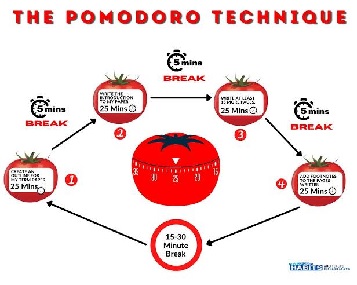
What is the Pomodoro Technique?
It is a time-management system where you work intensely for 25 minutes, followed by a mandatory 5-minute break to rest.
Conclusion
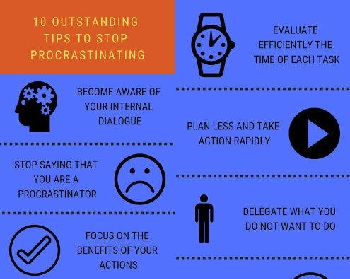
Overcoming procrastination requires a shift from emotional avoidance to deliberate, structured action. By understanding that procrastination stems from managing feelings rather than managing time, you can deploy targeted strategies like micro-tasking and environment engineering to build momentum. Productivity is an ongoing practice of small, daily choices. As you systematically lower the friction to get started, you will find that consistency replaces anxiety, turning your latent potential into tangible success.
External Links: Stop Procrastination and Boost Productivity
- Mind Tools: Overcoming Procrastination – A deep dive into identifying your personal procrastination triggers and managing them.
- James Clear: How to Stop Procrastinating – Practical insights on the behavioral psychology behind delay and how to build better habits.
Useful Internal Links: Stop Procrastination and Boost Productivity
- Time Management Tips Every Student Should Master
- 12 Practical Strategies: How to Build Self-Confidence as a Student
- Top 10 Life-Changing Skills Every Student Must Learn Before Graduating
- International Universities Admissions
- International Fully funded Scholarships Opportunities
- International Internships Opportunities
- Download Center