
Introduction
How to Handle Academic Stress and Pressure
Academic stress and pressure have become defining characteristics of the modern student experience, impacting individuals across all educational tiers. As global curricula expand and competitive benchmarks rise, students frequently encounter an overwhelming influx of examinations, continuous assessments, and rigid deadlines. When these institutional demands outpace a student’s personal coping mechanisms, chronic stress manifests—leading to diminished academic performance, severe mental fatigue, and a diminished sense of self-worth.
Effectively navigating this taxing environment requires more than just raw ambition; it demands a structured, proactive framework of self-management. Transitioning from a state of academic paralysis to one of sustained control involves adopting practical methodologies that optimize study habits, re-engineer time-allocation, and fortify mental resilience. Embracing these systemic adjustments allows students to successfully neutralize intense educational anxieties, transforming high-pressure milestones into structured opportunities for cognitive development and personal growth.
Table of Contents
Why and How to Handle Academic Stress
The Imperative for Intervention (Why)
Unchecked academic stress generates immediate and compounding negative consequences. When the human mind remains locked in a perpetual state of performance anxiety, the nervous system floods the body with cortisol, disrupting the neural pathways dedicated to memory retention and logical reasoning. Over time, this biological overload results in burnout, persistent insomnia, and reduced immunity. Addressing academic pressure proactively is essential to protect long-term physical health, safeguard psychological well-being, and maintain a sustainable trajectory toward career success.
The Systemic Approach to Mitigation (How)
Mitigating academic pressure requires shifting away from erratic crisis management—such as all-night cramming sessions—toward consistent, structured habits. Students must intentionally partition their cognitive energy, cultivate realistic performance goals, and build reliable supportive ecosystems. True stress management combines efficient study techniques with deliberate neurological downtime, allowing the brain to consolidate complex information effectively.
How to Handle Academic Stress: Images
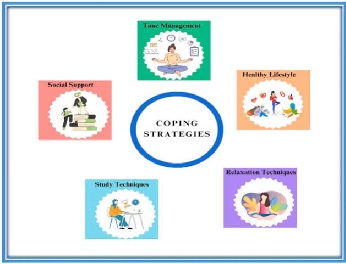
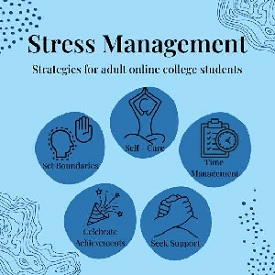
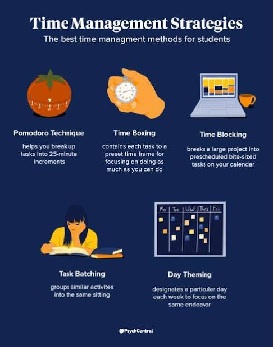
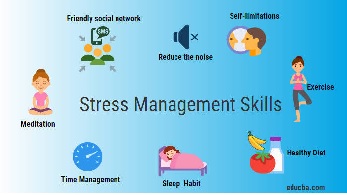
10 Practical Strategies for Students
1. Adopt the Pomodoro Technique
Break your study periods into focused 25-minute intervals followed by structured 5-minute breaks. This repetitive cycle prevents cognitive exhaustion, preserves high levels of focus, and makes daunting workloads feel manageable. This is the best practice how to handle academic stress.
2. Deconstruct Tasks via Micro-Planning
Avoid viewing large assignments as monolithic burdens. Divide major research papers, exam preparations, or semester projects into minor, isolated sub-tasks with personal, incremental deadlines to neutralize avoidant procrastination. This is very effective practice how to handle academic stress and pressure
3. Implement Eisenhower Matrix Prioritization
Categorize your academic tasks daily into four quadrants based on urgency and importance. Focus your immediate energy entirely on high-importance, high-urgency items, while systematically scheduling or delegating peripheral responsibilities. This is very helpful method how to handle academic stress.
4. Practice Mindful Emotional Regulation
Dedicate a baseline of 5 to 10 minutes each morning to focused deep-breathing exercises or mindfulness meditation. These deliberate pauses effectively lower your heart rate, reduce circulating stress hormones, and stabilize emotional reactions to upcoming tasks. This practice will prepare you how to handle academic stress and pressure.
5. Establish an Unwavering Sleep Architecture
Commit to a non-negotiable window of 7 to 9 hours of continuous nightly sleep. Sleep is the primary biological phase for long-term memory consolidation and cognitive restoration, making it an essential component of high academic performance. This is very useful for your mind health and help you how to handle academic stress.
6. Curate a Distraction-Free Ecosystem
Designate a specific, physically separate workspace dedicated exclusively to academic production. Keep smartphones outside this space or leverage restrictive application blockers to eliminate the disruptive cognitive costs of multitasking.
7. Engage in Regular Physical Activity
Incorporate a minimum of 30 minutes of moderate aerobic exercise—such as brisk walking, running, or cycling—into your weekly routine. Physical exertion releases endorphins, which serve as natural mood stabilizers and stress relievers. This is very beneficial for physical and Mental health and help us how to handle academic stress and pressure.
8. Shift to Active Recall Methodologies
Replace passive learning habits, like rereading highlighted textbooks, with high-engagement techniques like flashcards, practice testing, and self-explanation. Active recall accelerates comprehension, saving time and lowering exam anxiety.
9. Construct Clear Personal Boundaries
Learn to say no to excessive extracurricular commitments, social events, or secondary projects that threaten your core schedule. Guarding your limited time prevents cognitive over-extension and ensures adequate periods of rest.
10. Leverage Institutional Support Systems
Do not hesitate to reach out to university counseling centers, academic advisors, or peer-led tutoring groups when your workload feels unmanageable. Seeking external guidance is a practical sign of self-awareness, not a personal failure.
Outcomes of Strategies
Implementing these 10 practical strategies transforms your academic workflow and systemic lifestyle patterns. Students who transition from chaotic, reactive routines to structured habits experience an array of tangible benefits:
[Chaotic Routine] ──> [Structured Strategies] ──> 1. Higher Exam Performance
                                              ──> 2. Reduced Exam Anxiety
                                              ──> 3. Balanced Lifestyle
- Elevated Cognitive Performance: Active recall and interval-based study methods yield higher retention rates and deeper conceptual mastery.
- Sustained Emotional Resilience: Daily mindfulness and structured boundaries drastically minimize the intensity of panic attacks and burnout.
- Optimized Time Allocation: Strict prioritization eliminates frantic deadline scrambles, freeing up reliable windows for guilt-free leisure.
- Enhanced Physical Vitality: Consistent sleep architecture and routine exercise combat long-term fatigue and strengthen the immune system.
Frequently Asked Questions (FAQs)
Is all academic stress inherently negative?
No, mild stress can serve as a positive motivator (eustress) that sharpens focus and drive. However, when stress becomes chronic, it actively harms memory, cognition, and physical well-being.
How can I stop procrastinating when a task feels completely overwhelming?
Use micro-planning to shrink the task to an absurdly small initial step, such as writing a single sentence or reading one page. Lowering the barrier to entry helps bypass your brain’s initial avoidance response.
What should I do if my current study schedule leaves absolutely no time for sleep?
You need to re-evaluate your study efficiency and commitments. Passive studying often wastes time without adding value; swapping these habits for high-efficiency techniques like active recall will help free up essential sleep hours.
How do I handle parents or instructors who set unrealistic academic expectations?
Initiate an open, data-driven conversation about your workload. Share your current schedule and goals to demonstrate your commitment, while explaining how extreme pressure can backfire and hurt your actual performance.
Can changing my physical environment really lower my academic stress?
Yes, a messy or chaotic workspace adds to your cognitive load. Moving to a clean, well-lit, and quiet environment—like a library—helps cue your brain for focused work and lowers subconscious anxiety.
When does normal exam anxiety cross the line into needing professional help?
If your academic anxiety triggers persistent insomnia, changes in appetite, social withdrawal, or panic attacks that disrupt daily activities, you should reach out to a professional counselor or healthcare provider.
External Resources: How to Handle Academic Stress and Pressure
For further evidence-based guidance and interactive toolkits on managing academic pressure, explore the following verified resources:
- MindTools Time Management Center: Provides deep dives into task prioritizing, framework planning, and overcoming procrastination.
- The Pomodoro Technique Official Guide: Offers the official parameters and templates for implementing interval-based productivity schedules.
- APA Student Stress Resource Hub: Provides psychological research, clinical coping advice, and wellness assessments directly from the American Psychological Association.
Conclusion
Academic stress and pressure do not have to be an inevitable tax on your educational journey. By stepping away from disorganized, high-stress cramming and adopting systematic techniques like the Pomodoro method, active recall, and strict task prioritization, you can reclaim control over both your grades and your mental well-being. Academic success is a long-term marathon, not a frantic sprint. Protecting your physical and psychological health along the way is not a distraction from your goals—it is an absolute prerequisite for reaching them.
Internal resources: How to Handle Academic Stress and Pressure
- How to Take Effective Notes in Class
- How to Develop Critical Thinking Skills
- Leadership Skills Every University Student Should Develop
- How to Prepare for Your First Job Interview
- Top 10 Life-Changing Skills
- How to Stop Procrastination and Boost Productivity
- International Universities Admissions
- International Fully funded Scholarships Opportunities
- International Internships Opportunities
- Download Center