
Introduction
Mastering the Art of Problem-Solving Skills
Problem-solving skills are the ultimate tool for academic excellence and life-long career success. Modern education demands more than memorizing facts; it requires students to dissect complex challenges, adapt to unpredictable circumstances, and generate innovative solutions. By shifting from passive learning to active analysis, students can overcome academic bottlenecks and handle real-world challenges with complete confidence.
Cultivating a systematic, smarter approach to thinking changes how the brain processes difficult obstacles. When students treat obstacles as puzzles rather than roadblocks, anxiety decreases while curiosity takes over. Developing these core competencies equips young minds with the resilience, creativity, and cognitive agility necessary to stand out in an increasingly competitive global landscape.
Table of Contents
Why Problem-Solving Skills Matter
Students face a rapidly changing workforce driven by automation and complex global events. Memorization is no longer enough to succeed. Strong problem-solving capabilities empower students to bridge the gap between theoretical knowledge and practical execution, turning classroom concepts into meaningful actions.
- Boosts Academic Performance: Enhances comprehension in core STEM fields and analytical writing.
- Fosters Independent Learning: Reduces constant reliance on teachers or parents for answers.
- Enhances Career Readiness: Employers actively seek individuals who can independently navigate complex problems.
- Builds Emotional Resilience: Teaches students to view failures as iterative, learning steps.
- Promotes Resource Efficiency: Helps individuals optimize time, money, and energy during projects.
Images: Problem-Solving Skills


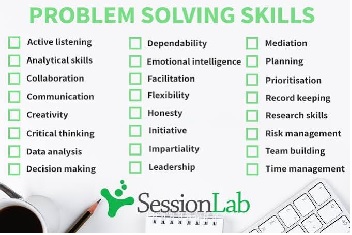
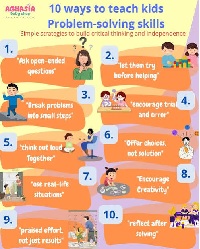
10 Ways Problem-Solving Skills and Find Better Solutions
1. First Principles Thinking: Problem-Solving Skills
This framework requires breaking a complex issue down to its most basic, foundational truths that you know are authentic. Instead of reasoning by analogy or copying others, you build a unique solution from the ground up. This method stops you from inheriting flawed assumptions and sparks genuine academic innovation.
2. Root Cause Analysis (The 5 Whys)
Avoid fixing surface symptoms by asking “Why” five consecutive times to dig deep into the core origin of a failure. For example, if a student gets a poor grade, they track it back from a missed deadline to poor calendar organization. Locating the actual source prevents recurring mistakes.
3. Brainstorming Without Filter
Separate your idea generation phase entirely from the editing phase to unleash creative, out-of-the-box conceptual solutions. Write down every wild hypothesis or angle without judging its initial quality or immediate feasibility. This freedom reveals unique pathways that strict, early filtering often destroys.
4. Mind Mapping and Spatial Layouts
Transform abstract, tangled thoughts into structured visual diagrams to see hidden connections between distinct fragments of data. Mapping your central dilemma out on paper engages your brain’s spatial processing power. It simplifies overwhelming project structures into clear, highly manageable sub-tasks.
5. The SCAMPER Framework
Innovate by systematically adjusting existing ideas using Substitute, Combine, Adapt, Modify, Put to another use, Eliminate, and Reverse steps. If a study schedule fails, you change variables like the location or combine group study sessions with solo review. It keeps problem-solving structured and flexible.
6. Reverse Engineering the Goal
Begin directly at your ultimate desired solution and map out every prerequisite step backward to your current location. This strategy clarifies exactly what milestones you need to pass, eliminating aimless experimentation. It is perfect for cracking complex mathematics proofs or organizing extensive research essays.
7. The Six Thinking Hats Method
Evaluate a single challenge from six unique viewpoints: emotional, optimistic, cautious, objective, creative, and managerial. Forcing your brain out of its default thinking bias helps you catch hidden risks and unearth overlooked opportunities. This method ensures your eventual action plan is fully robust.
8. Collaborative Brainstorming Workshops
Bring diverse perspectives together to eliminate your cognitive blind spots and combine multiple imperfect ideas into one great solution. Listening to how classmates approach the exact same problem challenges your default biases. It mirrors modern professional environments where cross-functional teamwork drives success.
9. Incremental Prototyping (The OODA Loop)
Observe your environment, orient yourself with the facts, decide on a direction, act quickly, and immediately repeat the loop. Instead of overthinking until you stall, test a small version of your solution to gather real-world data. Fast iteration beats slow, theoretical planning every time.
10. Cognitive Reframing
Change your perspective by transforming a stressful, overwhelming threat into an interesting, educational challenge. Reframing prevents your nervous system from freezing up when a difficult assignment lands on your desk. A calm, curious mind processes logic and solves puzzles much faster than a panicked one.
Outcomes of Smart Thinking
Implementing these structured methodologies creates measurable cognitive and behavioral shifts:
- Strategic Autonomy: Students independently evaluate options rather than guessing under pressure.
- Elevated Analytical Depth: Solutions target structural flaws rather than superficial symptoms.
- Adaptive Flexibility: Changing environments or unexpected failures no longer disrupt academic momentum.
- Accelerated Decision Velocity: Clear frameworks drastically reduce time wasted on analytical paralysis.
External Resources: Problem-Solving Skills
To expand your learning frameworks, explore these highly authoritative methodologies:
- Mind Mapping Mastery: Read through the comprehensive guide on Mind Mapping Techniques to optimize visual planning.
- Industrial Problem Solving: Review SessionLab’s Problem-Solving Workshops to see how teams solve complex real-world dilemmas.
- K-12 Skills Development: See the specialized guide from 21st Century School’s Core Techniques for targeted strategies for young learners.
Frequently Asked Questions
Q1: How does problem-solving differ from standard critical thinking?
Critical thinking focuses on analyzing and evaluating information objectively. Problem-solving takes that evaluated data and uses it to execute a specific, practical remedy for a challenge.
Q2: Can anyone learn to be a smart problem solver, or is it an innate talent?
It is completely a learnable skill. While some individuals naturally lean toward logic, consistently applying frameworks like Mind Mapping or the 5 Whys rewires how anyone processes difficult scenarios.
Q3: Why does overthinking stall the problem-solving process?
Overthinking creates analytical paralysis, where you obsess over risks without taking action. Using iterative loops like the OODA Loop forces you to test small steps and learn from real feedback.
Q4: How can a student practice these skills daily without extra schoolwork?
Apply them to everyday choices, such as optimizing your weekly calendar, managing a personal budget, or resolving scheduling conflicts within an extracurricular club.
Q5: What should I do if my chosen solution fails completely?
Treat it as data, not a personal defeat. Use Root Cause Analysis to figure out exactly why it failed, adjust your variables, and pivot using a different framework.
Q6: How do group brainstorming sessions outperform individual problem-solving?
Group sessions bring together different cognitive styles and backgrounds. A concept that seems incomplete to one student might trigger the perfect breakthrough idea in another.
Final Thoughts: Problem-Solving Skills
Smarter problem-solving is an ongoing journey of structured curiosity rather than a search for quick fixes. By integrating frameworks like first principles and cognitive reframing into your daily habits, you transform stressful academic obstacles into predictable puzzles. Equip yourself with these mental toolkits, stay experimental, and trust the process of iterative learning.
Internal Links: Problem-Solving Skills
- How to Make Better Decisions
- How to Improve your Communication Skills
- Growth Mindset for Students
- How to Take Effective Notes in Class
- How to Develop Critical Thinking Skills
- Leadership Skills Every University Student Should Develop
- How to Prepare for Your First Job Interview
- Top 10 Life-Changing Skills
- How to Stop Procrastination and Boost Productivity
- International Universities Admissions
- International Fully funded Scholarships Opportunities
- International Internships Opportunities
- Download Center
Why Follow EduInfoPedia?
EduInfoPedia regularly publishes:
- Fully Funded Scholarships
- International University Admissions
- Summer Internships
- Exchange Programs
- Government Scholarships
- Research Opportunities
- Career Guidance
Our goal is to help students discover authentic educational opportunities from around the world.